Skip to content

How Steve Martin Helps Me Deal With People Who Walk + Text

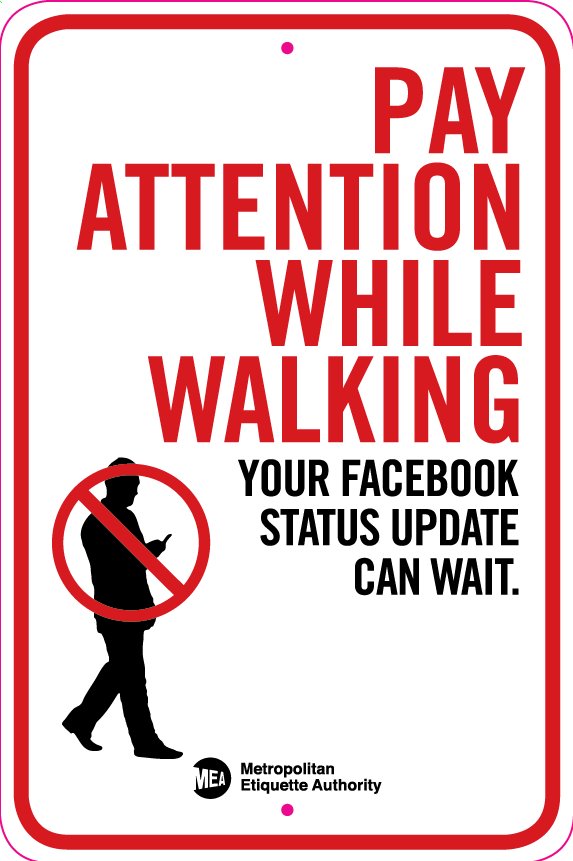
A couple of years ago I started encountering a new obstacle while I was out dog walking: people who walk right into me while they’re looking at their cell phones.

I don’t mean talking on their cells. I mean they’re looking down at their phones, texting, for entire block lengths. Maybe even miles. Not only are they not looking where they’re going, but people who are tweeting highlights from Teen Mom 2: The Reunion Special tend to weave a lot too. They’re hard to navigate around.

I’m not the only one who has noticed this new walking hazard. It’s gotten to be so bad that talking and walking and/or texting and walking made an appearance in the book “On Looking: Eleven Walks with Expert Eyes” in the chapter dedicated to taking a city walk with a blind woman (in order to experience the city through senses other than sight). Author Alexandra Horowitz writes, “I saw examples of cell-phone walkers weaving, violating the time-honored stay-to-the-right street rules. Most critically, they were not checking: they did not look up.”  Horowitz’s blind walking companion shared that she had been in a number of full body collisions with cell phone users who did not look up in time to see her walking nearby (with her white cane!).


So back to my dogs walks: There I am, walking towards the phone-focused with my dogs and trying to avoid a collision by moving from one end of the sidewalk to the other. The weaving is all kinds of awkward, not to mention I look like I pounded a six pack of Zima in between dog walks.

Finally, I came up with a new, more effective approach. I just stop and stand still.

I wait until the person on the cell phone is a few steps away from bulldozing me and then I say, loudly, “LOOK UP!

Which they do, because I just startled them so bad that their butt cheeks seized up.

Of course I only do this with dogs that are super people-friendly and with people who look like they’re not armed. If the dogs aren’t comfortable watching someone jump out of their flops, we just step right off the sidewalk and escape the cell phone zombies by walking in the street (with people who are doing the same thing with their phones, only they’re in cars**).

But I really do love the “Look Up!” moment and try to squeeze it in whenever I can. Just for funsies.

Not only is it effective, but every single time I do it, I think of Steve Martin in this scene from The Three Amigos and I laugh, laugh, laugh.

Please enjoy it here:


Almost everything I know about dog walking, I’ve learned from Steve Martin.

OK, maybe just this one thing.

**On a serious note: Today while dog walking I watched a woman driving the wrong way down a one way street in front of a hospital. She weaved around the cars coming straight at her, while I waved at her in an attempt to point out the huge “DO NOT ENTER” sign that she was passing. She didn’t notice. She was too busy looking down and texting.

We all need to stop texting and driving. In the past few years I’ve had to alter the way I dog walk because so many drivers are totally unaware of me and the dogs walking in crosswalks. People are driving with their heads in their laps. Most of us are guilty of doing this. We all need to stop thinking we’re the exception to the rule and can text and drive safely. We can’t. No one can. And we could wind up killing someone. Werner Herzog’s short file “From One Second to the Next” is a hard look at the consequences of our bad behavior.

Please be safe out there everyone. Look up!


Stop Caring What Others Think and Stand Up for Your Dogs

It’s almost dog bite prevention week, so I want to talk to you guys about one of the keys to reducing dog bites (as well as making life better for your dogs all around):

You need to stop caring what anyone else thinks about you and your dog.

If you do this, you will free yourself up to make better choices on behalf of your dogs. When you make better choices, you are setting your dogs up for success in our crazy world. And when you do that, they are less likely to get into trouble which they will wind up paying for big time.

Here’s what you need to do:

1. Stand up for your dogs. Be assertive in protecting your dog’s physical and mental health, as well as the safety of those around them. 

2. When you’re not sure if your dog can handle something, always err on the side of caution. Choose management over “I don’t know, so let’s find out!”

Dogs need us to do both of these things more often, so that they don’t feel like they need to take matters into their own hands teeth.

Obviously, dogs need lots of other things from us too: socialization, training, proper management, and a never ending supply of peanut butter that they can roll around in like it’s a canine version of that scene in Indecent Proposal. People also need to learn how to read their dog’s body language,  understand stress and fear, and not screw their dogs up in general. But we’ve covered that before, here and all over the web.

What I’m talking about now doesn’t really have all that much to do with the dogs. It’s about us humans and how uncomfortable many of us are with being forceful, direct, and making unpopular choices that we’re afraid will make people not like us. This is causing some problems for our dogs.

Too often we choose not to speak up for our dogs, even as things take a weird turn. We recognize that our dog is uncomfortable with the hyper kids running circles around them. We suspect that the unfamiliar dog approaching our dog isn’t as friendly as their owner is claiming. We don’t know if our dog is ok with the cleaning lady entering the house while we’re gone. But we allow it anyway.

We allow our desire to be perceived as friendly or nice or easy going to override our own gut instincts or what our dog is trying to tell us. Our desire to be liked – to avoid being seen as unfriendly or rude or “bitchy”  – is powerful stuff.

It’s so powerful, that humans will choose to ignore their own instincts and proceed into potentially dangerous scenarios, just so they don’t make a bad impression.

Gavin de Becker, author of The Gift of Fear, says that unlike other living creatures, humans will sense danger, yet still walk right into it. “You’re in a hallway waiting for an elevator late at night. Elevator door opens, and there’s a guy inside, and he makes you afraid. You don’t know why, you don’t know what it is. Some memory of this building—whatever it may be. And many women will stand there and look at that guy and say, ‘Oh, I don’t want to think like that. I don’t want to be the kind of person who lets the door close in his face. I’ve got to be nice. I don’t want him to think I’m not nice’.” More on that here. 

If we’re willing to walk right into a metal box with a stranger that totally scares us just so we won’t be seen as rude, imagine how difficult it is for many people to be assertive on behalf of their dogs with nice folks at the park, their neighbors, visitors, family, and friends. We’re willing to deny our fear around murderers. It’s no wonder we’re not comfortable speaking up for ourselves around people we pass on a dog walk.

The problem with our discomfort is that dog bites often happen when we are:

1. In denial about our dog’s limitations and/or their behavior issues. To be a good advocate for them, dogs need you to see them as they are, in the present.

2. We know their limits, but we still hesitate to take action.

And the flip side of suspecting or knowing your dog has issues and not speaking up is:

3. When we are in complete denial that our “good” dogs would ever bite someone.

Number 3 is a whole blog in and of itself. This blog is really about the first two points. But I’ll sum up #3 real quick for good measure:

All dogs have the potential to bite. ALL of them. Breed, size, age, zodiac sign – doesn’t matter. Push any dog hard and long enough or in just the right way (You mean it’s not OK for my 2 year old to crawl into my “good” dog’s crate while he’s sleeping?) and they run out of options and will bite. So don’t push any dog’s luck. Don’t allow them to be treated roughly or inappropriately or fail to properly supervise them because they’re such “good dogs.” Your dog needs you to stop thinking they’re a robot with no limits and respect their boundaries. Don’t fool yourself. Your dog will appreciate it if you help them out by setting them up to be good.

When we let dogs bite, the dogs pay for it. They might hurt a person or another dog or get hurt themselves. They might cause your home owner’s insurance to drop you and then you can’t keep your dog. They might be declared dangerous. They might make the news and inflame the public into calling for a ban on all dogs that look like your dog. They might be taken from you and euthanized.

Dog bites aren’t the only consequence, of course. When we don’t step up other not-so-great stuff happens, like we put our dogs into situations that make them stressed and miserable. Or they have a bad experience with another dog and then they become a DINOS. But this post isn’t about dog behavior. It’s about us and our malfunctions.

Sometimes, we have to step out of our comfort zone in order to be effective advocates for our dog’s safety and health. Do not let others pressure you. Stop caring what anyone else thinks and just do what you know is right for your dogs.

Channel your inner Ron Swanson:

ron swanson

Now, I recognize that there are things that happen that are beyond our control. Also, I understand that sometimes we genuinely think we’re making the right choice and it turns out to be the wrong one. And of course, I want you to socialize, train, and do new stuff with your dogs, which means that inevitably there will be goof ups. I get it. That’s life.

What I’m talking about here is when you’re hesitant to do what you know needs to be done or when you’re afraid to err on the side of caution because you think it’ll make you look like a “square.”

So here’s what I’m going to do. I’m going to give you all permission to stand up for yourselves and your dogs. You have to do it. Your dogs need you to do it.

The next time someone tries to force themselves or their dog onto your dog, you’re going to boldly step in front of your dogs and say “STOP.”  Say it like you mean it. Then drop the mic and walk away.

The next time someone comes over to your house and you’re not sure if your dog will be OK with them, you’re going to put your dog in another room or in their crate or on a leash.  When your friend visits with their little kids or the landscaper needs to use your bathroom or the police* bangs on your door, you’re not going to hold your breath and see what happens.  You’re going to tighten up your core muscles and say, “Please wait while I put my dog away.” When they say, “It’s OK, I love dogs”, you will hold your ground and follow through with the plan.

And the next time you’re at the vet or the groomers and you don’t like the way they’re handling your dog, you’re going to say, “We need to do this another way.”I struggled with this one. But I’m over it now. Same thing goes for trainers. If you don’t like they way a trainer is working with your dog, you’re going to say, “Thanks, but we need something different.”

Yes, the other person may say nasty things to you or about you. They might call you a “bitch.”  I want you to not care. Because in that moment what you really are is your dog’s hero. You just took their well-being into your hands and acted with conviction. You made the right choice and they’re safe because of you. Bravo.

And who cares what people call you?  As my future BFF Tina Fey says, “Bitches get stuff done. Bitch is the new black

Tina Fey

Look, the other person will get over it. They might not even care at all. For them, the discomfort of dealing with hero-you won’t last long. Even if it does, even if your neighbors think you’re kind of stand-offish, it’s not rocking their world.  But for you, the consequences of not standing up for your dogs might be long-lasting and deep-cutting. Set those limits, then don’t give a hoot what anyone thinks about you.

p.s. There are other ways to set limits and not giving a crap what anyone thinks, like: if they need it, walk your dog with a muzzle on. You will get weird looks. But you don’t care, cuz you’re being Safety First.

Hey, I know this is uncomfortable for some of you. But I know you can do it because you love your dogs.

If it helps, I want you to think of me standing next to you, cheering you on as you stand up for your dog’s needs. I’m five feet worth of NJ/Philly-loud-talking-feistyness and I don’t give an eff about saying “No” to anyone if it means making sure my dogs don’t get into trouble or have a bad experience. So picture me there beside you the next time you need a boost. Know that every time you make that tough choice to stand for your up dogs, I’m yelling, “Rock Star!!” just for you.

Now go get ’em Tiger.

* You have the right to secure your dog before letting the police enter your property.  ALWAYS do it.

Want to give this blog to your clients or friends? Here’s a printer-friendly PDF version: Stand Up For Your Dogs

Pit Bulls and Puppies: Ken Foster and Traer Scott in Maine

Mainers we’ve got some special guests coming to town that you don’t want to miss!

This Saturday, May 11th, authors Ken Foster and Traer Scott will be holding a book signing at Fetch* in Portland from 1-3pm.

Be there.

Ken will be signing his most amazing book I’m a Good Dog: Pit Bulls, America’s Most Beautiful (and Misunderstood) Pet. Who should read this book? Anyone who loves pit bulls or knows someone who lives with one or is curious about the hype and even people that really don’t like them.

If you love pit bulls, this book will lift you up. If you are confused or afraid of them, it will help you to see them differently. You’ll begin to understand why so many people choose to share their lives with pit bulls and why we love them deeply.

It’s the kind of book that animal shelter workers and advocates have been giving to all their friends and family members for the past five months saying, “Please read this. This is why I do what I do!”

No matter who reads it, I double dog dare you not to close the book with a giant grin on your face.

So, yeah, I’m kind of psyched that Ken’s in town.

I'm a good dog


Ken also wrote my favorite dog book of all time, the award-winning memoir The Dogs Who Found Me. Oh, and he’s the founder of the Sula Foundation which promotes responsible pit bull ownership. He lives in New Orleans with his dogs and makes the rocking pit bull t-shirts (my fave is the Saints tee).

That’s the pit bulls, now here are the puppies:

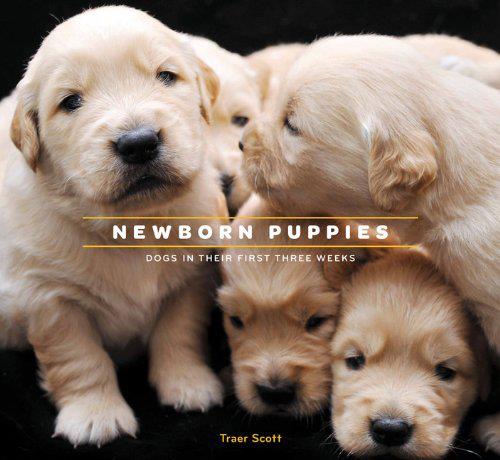
Traer will be signing her latest book is Newborn Puppies: Dogs In Their First Three Weeks. It’s an up-close  look at various breeds and mixes of puppies all between 1-21 days old. Squee!!

newborn puppies


Traer is an award winning photographer and the author of several books on dogs including the bestseller Shelter Dogs. Full disclosure: I once burst into sad, but hopeful tears in the middle of Borders while reading Shelter Dogs. Traer’s photos are gorgeous and profoundly moving. Her photographs have been featured in National Geographic, Life, People, O, and many other publications. She lives in Rhode Island with her husband, daughter and pit bull (oops, we’re back to pit bulls!).

So stop by the event at Fetch this weekend and pick up two books that will make your heart happy. And if your mom is a dog lover, may I suggest both books make excellent last minute Mother’s Day gifts? Have these two sign their books to your momma!

I’ll be there, hanging out like the book nerd/dog geek groupie that I am.

And if you need one more reason to stop by, I hear there is a certain silver fox named Sargent that will be stopping by the store as part of his search to find the family of his dreams.


Here are the ‘tails:

Portland Maine

Fetch* 195 Commercial Street

Saturday May 11th

1pm-3pm


Oh and if you’re in the Boston area, you can catch Ken and Traer the following day, May 12th, at Fish and Bone with Lilly the Hero Pit Bull!

And double oh! If you’re not lucky enough to be in Northern New England this weekend, just buy the books online and have yourself a happy-fest read-a-thon when they arrive in at your house.

* Fetch has been renamed “The Fish & Bone”. Same store, same location, same ownership, new name! 

No Manners, Need Advice? Try Google, Not Me.

Hi there!

We’ve never met, but I have a dog with a ton of behavior and medical problems and I really need your help. I’m going to share three paragraphs of vague information that contradicts itself, and then ask you 82 questions. Also, my landlord won’t let me keep my dog. Can you help? I don’t want to give my dog up! And I also want to adopt a very specific kind of dog, but can’t find one at the shelters. Can you help me find a dog to adopt?  And btw my dog has diarrhea, a limp, and allergies. And I lost him. Can you help me find him and then recommend a good food? I love my dog!

Thanks,

Random Upset Dog Emailer

p.s. While you’re busy researching the answers and finding links to supporting resources, reaching out to your contacts in animal welfare, and writing a response to me, I’ll be Googling the answers. So by the time you respond to me, I won’t even bother writing back to acknowledge your thoughtful email.

p.p.s If you don’t answer me and I have to give up my dog/can’t afford medical help/buy a dog from a pet store instead of adopting/allow him to bite someone… I’ll probably blame you, because I asked you for help, but you didn’t get back to me. I’ll tell everyone how I reached out for help and you didn’t care enough to respond. You obviously don’t love dogs.  


Ask anyone who works with dogs and they’ll tell you: their inboxes are overflowing with requests for advice and assistance.  People want free help. That’s cool. We all need it at one time or another. No harm there.

That’s why Google exists.

But sometimes we skip Google and reach out to a person. When we choose to email another human being instead of searching online for the answers, we’re also making a choice to engage another person’s time and energy. That’s ok too.

But only if you appreciate it.

There are people who really do appreciate the helpful responses they receive. They write back with thanks, an update, and a virtual high-five to let us know that free advice from strangers rocks.  That kind of thing makes our day. We’re psyched we could help. But oftentimes, all we hear are crickets (or dogs snoring) on the other end of the interwebz. There’s no reply to our reply.

Here’s the thing: When someone takes time out of their life to offer assistance or answer your questions, they deserve thanks, at the very least. Choosing not to respond – leaving a helpful email dangling alone in the dark – makes those of us who are still answering emails feel like chumps.

It’s time consuming and often stressful to read and to respond to the many emails all of us get. Anyone with an email account understands how overwhelming email can be. We’re all drowning in comments, texts, Facebook messages….

But if you are considered an “expert” on any issue – in this case dogs – it’s likely that you’re not only receiving emails from friends, family, and co-workers, but also friends of friends, strangers who found your website, people who you went to middle school with who found you on Facebook, your dentist, and acquaintances of friends of strangers who found your name through an employee at the pet store. It winds up being a LOT of emails asking for help.

And most of us really want to help. Really we do. Being able to provide quality resources, point someone in the right direction, connect them to a local pro that can help, and assisting others is something that most of us are happy to do. We enjoy being a resource for others and sharing what we know.

We’re happy to do it…until we’ve written that 100th email that falls into the black hole of cyberspace. No response. No thanks. No time wasted on the other person’s end letting us know that our free, professional advice is appreciated.

Then we get real annoyed.  Like, I-want-to-write-you-back-one-more-time-and-call-you-a-rude-turd kind of annoyed.

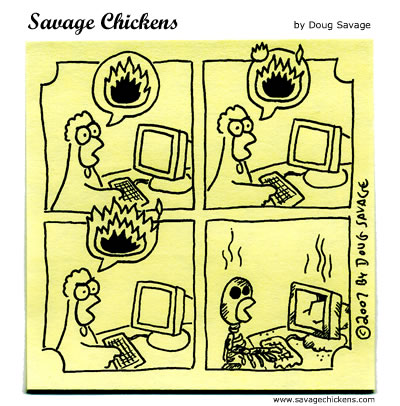
cartoon: savagechickens.com

cartoon: savagechickens.com

Folks, the time is a-coming when no one is going to write back to anyone anymore. We just can’t take the abuse.

Here’s what’s going to happen one day:

Every single trainer, vet tech, advocate, dog walker, rescue and shelter worker, pet store owner, (fill in the pet professional here) is going to:

    • Start ignoring ALL the emails they receive requesting advice and help.
    • Send you an auto response with links you could have found if you took 5 seconds to Google your questions.  Then ignore your follow up questions.
    • Send you a PayPal link up front, so you can pay for the quality advice you’ve been receiving for free up until now. Many are already doing this (it’s called a “consultation fee”).


Combined with the sheer volume of emails we’re all getting, people with bad email manners are gonna blow it for everyone.

We don’t actually want you to stop reaching out for help. We WANT to help. We’re doing our best to get back to people who need a hand. We wouldn’t be in this business (or volunteering in it) if we didn’t want to make things better.

But damn.

We’re not bottomless wells. We’re people with a few jobs and poop that needs to be scooped (literally and metaphorically). Email eats every last morsel of our time. It’s actually kind of amazing that anyone writes back to anyone anymore.

So if you do get a response from someone, go on and throw us a “Thanks! You’re a Baller!” email and keep us from going over the email edge, ok? It’ll go a long way.

Here are a few specific ways we can all help each other out of the email apocalypse:

    • When someone responds to your email, write back thanking them for their time. Acknowledge them, even if the advice isn’t exactly what you had hoped for. They could have ignored you, but they didn’t.  Just let them know that you received the email and appreciate that they got back to you.
    • Or hire a professional to assist you with your needs. Pay for the advice you want.
    • But if manners aren’t your thing and you can’t afford to hire a pro: Use Google. You can’t hurt Google’s feelings. You can’t waste Google’s time. Ask all the questions you want, and then walk away. It’s ok to dine and dash on Google.


Hey, none of us are perfect and we’ve all dropped the ball on an email or ten, so no hard feelings. And we all need to be reasonable and realistic about just how much time we can expect any busy organization or individual to spend answering emails. For many groups, they wouldn’t be able to do the work we admire so much if they answered every email they received.

But it’s important to remember that when we do choose to engage other people in our search for help, we owe them a quick thanks when they respond. Just a few words to let the other human being know their time and thoughtful advice is worth more than the info found on a free search engine.


Note to all you lovelies that write to me: keep writing. I love hearing from you and I’m happy to help if I can. I may not get back to you right away, but I’ll try my best.

The Secret Life of Dog Catchers

When I came across the book, The Secret Life of Dog Catchers: An Animal Control Officers Passion to Make a Difference, I wasted no time in reaching out to the author Shirley Zindler to ask if she’d like to send me a copy for review. She generously did and when I got it, I gulped the book down in three fast sittings.

cover book

Shirley is an animal control officer in Northern California, and in addition to her demanding job, her family has fostered and rehomed more than 400 dogs. Wow-wee. She blogs for Bark Magazine, has competed in obedience, agility, conformation and lure coursing, and has done pet therapy. Shirley is one busy woman.

Over the years, I’ve had the privilege of knowing and working with a few fantastic Animal Control Officers (ACOs). In addition to their incredible skills (with animals and people), bravery, and professionalism, these good eggs have all had two things in common: endless compassion and a wicked sense of humor. Shirley has both in spades. In her book, she shares stories from the field and her home life that will make you tear up, bust out laughing, get angry and frustrated, and then get inspired. I suspect that Shirley feels all those things in the course of just a single day, judging by her heavy and varied case load.

Through it all – from comical calls in the middle of the night to heart breaking neglect cases and frightening stand-offs with criminals –  Shirley’s stories reveal she’s one of those rare people that can stay positive despite the never-ending challenges that she faces. When the rest of us would be throwing in the towel, Shirley keeps going, and then writes about her experiences so that we get to walk in her capable shoes for a while. You’ll happily go along for the ride as she investigates hoarders, raids a cock fight, rescues wildlife, and works with the coroner’s office.

If you’ve worked as an ACO or in a shelter, this book will be the perfect combination of the surprising and familiar. You’ll see some of your experiences reflected in her validating vignettes.  But whether or not you’ve worked in animal welfare, readers will be rooting for Shirley every time she steps up to the plate, trying to make her corner of the world a better place for animals.

After I finished the book, I was left wishing I could take Shirley out for a margarita. I have no doubt she has so many more great stories to tell!  Since we couldn’t meet for drinks, Shirley was kind enough to answer a few questions for me  about The Secret Life of Dog Catchers and her work:

shirley and her pets

Photo credit: Christopher Chung/ The Press Democrat


Jessica: There are a lot of misconceptions about what an ACO does and what they have the power to do. From some of the stories in the book, it’s safe to say much of the public thinks that if a pet is in less than ideal conditions, ACOs can swoop in and remove the animals immediately. What would you like the public to understand about your ability to intervene?

Shirley: I often have to tell the public that I can only enforce the law. I try to educate people, but I can’t make them care for the animal the way the concerned party, or I, want it cared for, only the minimum that the law requires. I do everything I can to make a difference, but I often lose sleep about the things I can’t change.


J: In your work you have to enforce the law and hold owners accountable, yet in many of the stories you write about working to provide resources, education, and support to families who want to do better, but need assistance. How do you determine when it’s the right time to provide education vs. punishment?

Shirley: I almost always try and help if the person is willing to work with me to improve the animals conditions. Many people want to care for their animals, but lack the knowledge or finances to do it right. I can sometimes provide the things they need to make things better. It might be management, training or nutrition advice, help finding a new home or occasionally, money out of my own pocket. I don’t want to seize their animal, I just want them to take better care of it. If the situation is severe, or if the person is unwilling to work with me, then I may seize or prosecute or usually both.


J: Have you found that when people know better or have access to affordable resources, they do better?


Shirley: Many people do just need educating or help and I’ve seen things greatly improved plenty of times. Some people have no interest in doing anything different, so we use the law where needed to provide compliance.


J: In the book, I was really struck by how the calls you receive often seem to be so subjective: reports of attacks, abuse, and grave injuries often turned out to be really minor, almost comically so – for example, a dog attack turns out to be a loose, but happy Mastiff. Or a dog dying from being hit by a car turns out to be a dog with a broken toe nail found by the road. In many cases the public’s perception of what they’re experiencing doesn’t match reality! How does that have an impact on your work?

Shirley: We get so many calls that are misinterpreted that sometimes we forget how serious a call can actually be! Its important to stay alert to the dangers and to the possibility of serious neglect or abuse.
 

shirley zindler

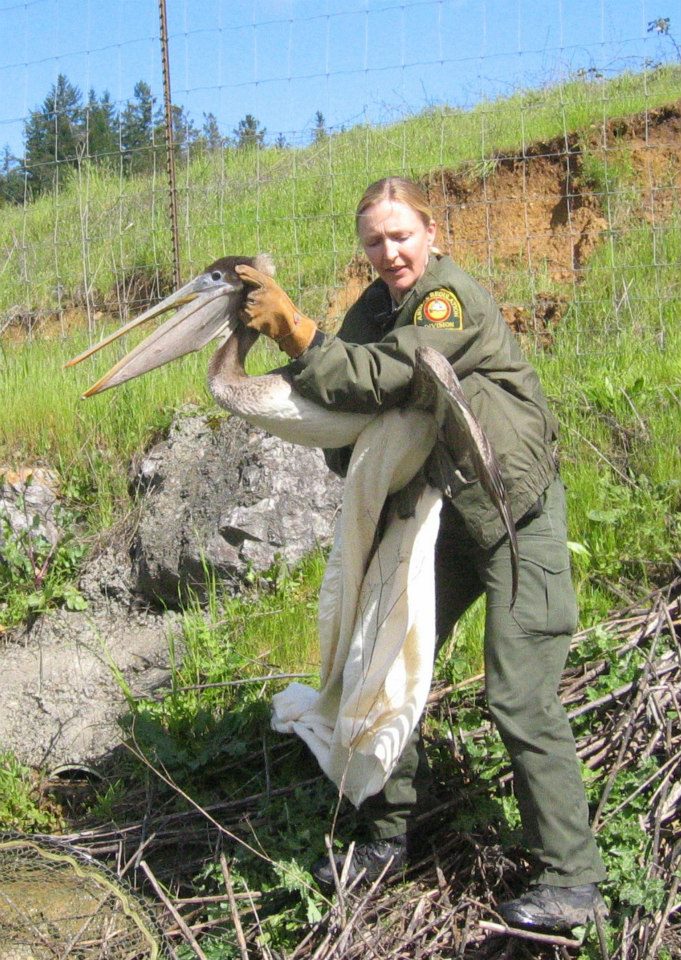
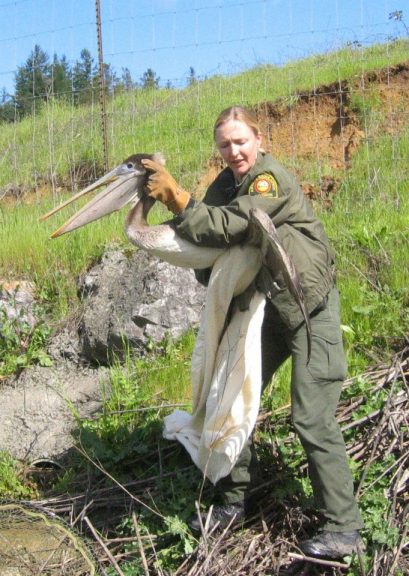
Pelican rescue: All in a day’s work for Shirley!


J: Leash laws are a hot topic with Team DINOS. Many of us live in communities with leash laws, but they’re not enforced, making it difficult for us to safely walk our dogs in public spaces. Do you have any thoughts on the effectiveness of leash laws?

Shirley: Our leash law fine is around $250, so that gets peoples attention, but we don’t have the staff to patrol every problem area all the time. Our community has lots of great dog parks and one amazing dog beach so I always try and direct the off-leash people there. I will cite people who are repeat offenders, but often verbal warnings and making a show of presence in problem areas is helpful.

I spent many years taking my dogs to dog parks almost daily and had almost no problems. I presently hit an off leash beach several times a month with my four dogs ranging from 18 pounds to 120 pounds. My dogs absolutely love it and its a great way for me to blow of work stress, just watching a bunch of loved dogs running free and playing with each other. My dogs (mostly rescues from bad situations) have always been very well trained and well socialized, but of course some dogs don’t appreciate strange dogs regardless of their history.

I have seen problems with off leash dogs charging up to leashed dogs who are not comfortable with it, and some fights have resulted. I do what I can to get people to follow the law and be more respectful of others, but some just don’t care. And of course many of the dogs are completely out of control and the owners have no idea how to fix it.


J: I’d love to hear your thoughts on dealing with loose dogs. We all run into them while we’re out walking our dogs and it puts gray hairs on our heads! What are some of your tips for safely evading loose dogs? How can we work with our neighbors and ACOs to get folks to properly contain their dogs?

Shirley: As a teen I had two large aggressive dogs run out of their yard as I was passing by and attack my small dog and nearly kill him. Even the owner could barely get his dogs off and it took a long time. They just hung on and pulled from each end. Truly horrifying. There probably wasn’t much I could have done in that case except maybe pepper spray, if I had had it.

Most cases are not nearly so severe but a few times when confronted with a truly aggressive dog I have removed my dogs leashes to use as a weapon, also freeing my dog to do  normal greeting behaviors, or possibly outrun the other dog if needed. I do think it’s important to stay calm and keep a loose lead if at all possible. I often see people getting hysterical and yanking their dog away from an approaching dog, causing an increase in agitation, disruption of normal greeting behaviors, and sometimes resulting in a fight that could have been prevented.

Teaching appropriate behavior to your own dog is helpful too. When a dog is lunging and snarling on leash, it may bring a fight from an off leash dog that might not have happened if the dog was taught to walk calmly. Thankfully my dogs all enjoy meeting new dogs and are very smooth with great social skills so they rarely have issues. I have had dogs in the past that didn’t like being approached by strange dogs, so I’m sensitive to those concerns.

Repeated polite calls to animal control can sometimes be helpful in bringing more enforcement. Sometimes it takes just the right person, timing, luck, or officer to make a difference. Many departments are understaffed and some ACOs have very little training. It’s important to try to work together rather than just berating the department for a lack of response. There are some uncaring ACOs out there, but most are doing the best they can with limited resources. In some cases, we cannot pursue an issue without written statements, but no one is willing to provide them.


J: Your work often brings you into contact with dogs that are terrified and/or injured, which manifests as aggression. How do you stay calm and safely work with dogs in those scenarios?

Shirley: Some of my most rewarding calls are dogs that are aggressing because of fear (or pain, or both), but respond well to cookies and sweet talk. Most aggression is fear based. The dog is afraid so he charges, or even attacks to make you go away.  I have spent my life working with dogs and I have learned something from every single one. I love dogs, and respect them and do everything I can to make things less stressful for them. Dogs are far more predicable than people in most cases. Patience, knowledge and cookies go a long way in this business. For those few dogs who can’t be convinced, I usually have the skills and tools to confine them safely and humanely.  Often once you have a hold of them and haven’t hurt them, they come around anyway.


J: Dog Bite Prevention Week is almost here, do you mind sharing any advice for how the public can avoid dog bites?

Shirley:  Here’s a link to a blog I did last year for Bark Magazine regarding dog bites. I investigate so many preventable dog bites each year and it’s unfortunate that dogs and children most often suffer the consequences of our lack of knowledge or understanding of canine behavior.


shirley after the raid


J: I think many animal welfare workers (myself included) really struggle with compassion fatigue and/or feeling overwhelmed. How do you keep from burning out?

Shirley: I have my days where I can hardly bear the sadness and hurt that people wreak on their fellow people and animals. Dealing with the broken and neglected day after day takes a toll on the heart. Still, I feel like I’m making a difference. The smallest success is so encouraging.

I had some young teen girls call recently about a bird with thread tangled around its leg and then tangled in tree branches. I had one of them hold the bird while I spent about 5 minutes unraveling the thread and then let her release it. It was so great to see how helpful and kind they were, and so rewarding to watch the bird fly away unencumbered. It’s critical in this business to focus on the positive.

I can go a long way on the good stuff: One good rescue, finding someone’s lost pet, removing an animal from a neglectful situation and finding a great home for it, those are the things that keep me going. I could (and sometimes do) torture myself with the ones I can’t help, but it doesn’t do any good and its harmful to me, so I try and focus on the areas where I can make a difference and work really hard on them. It’s helpful to have supportive friends and family. My husband of 22 years does a great job of helping me keep things in perspective and my kids, although pretty much grown, are terrific as well.

I get a lot of joy in fostering needy dogs (along with cats, wildlife and other animals). I’ve taken in dogs with health or behavior issues, moms with underage pups and orphaned pups. I stopped counting at 400 dog and puppy fosters over the last 25 years or so. In all but a very few cases, they have gone on to wonderful homes and lives. A few came back and were re-homed successfully and a very tiny number couldn’t be saved, but I get so much satisfaction from seeing them living the life they deserve.


Thank you Shirley!

Order your copy of the Secret Lives of Of Dog Catchers here and help Shirley reach her goal of selling 1,000 books. When she hits that goal, she’ll donate $500 to the Love Me Fix Me spay/neuter program.  

Shirley shared that several people have also pledged to donate to the program as soon as she reaches her goal, including an additional $1000 donation.  A good read and a good cause! Follow Shirley on Facebook to cheer her on as she reaches her goal.
Our Rights and Responsibilities: Dog Law Q+A with Attorney Heidi Meinzer

When it comes to providing the best care for our dogs, we consider many issues: nutrition, training, socialization…but what about our legal rights and responsibilities as dog owners? We should be thinking about these issues too.

The Whole Dog Journal’s recent interview with attorney Heidi Meinzer about dangerous dog laws is a good place to start. If you haven’t read it, you should. Paul Miller, an animal welfare professional is also interviewed and it’s great stuff.  Here’s the link. Go on. I’ll wait.

Good, right? Heidi and Paul’s answers provide information that every dog owner should know, such as how to be responsible dog owners, understanding dangerous dog laws, what to do if our dogs are deemed dangerous, and how to avoid coming into conflict with the law in the first place.

While reading the interview, I suspected Heidi might be a member of Team DINOS when she said,“…always take care when interacting with dogs and people wherever you are, including in your own home. If your dog shows any hesitation when meeting another dog or a person, do not force her to interact. Be your dog’s advocate and kindly tell the person that your dog needs space.”

It’s excellent advice, so I wrote Heidi to find out more and she does indeed share her life with a DINOS!  She was kind enough to agree to answer a few legal-based FAQs for us too.

law book

Here’s a little more about Heidi before we start the Q+A:

Licensed to practice in Washington, Virginia, Maryland, and D.C., Heidi specializes in animal law issues. In addition to her law practice, Heidi is a member of the APDT and an Assistant Dog Trainer with Fur-Get Me Not, as well as a board member for multiple animal welfare organizations.

It should be noted that in regards to dog laws, there is a lot of variation from state to state and even town to town. Heidi’s answers are a great jumping off point, but each one of us still needs to research this issue locally in order to be truly informed.


Q: Let’s get started with the basics. What are our legal responsibilities as dog owners?

Heidi: Dog owners have basic responsibilities regarding care that are governed by neglect and cruelty statutes (such as Virginia’s “adequate care” statute). And of course, other laws govern issues such as liability for dog bites.


Q: If someone has a dog with a known behavioral issue, is there anything they should be doing to protect themselves legally?

Heidi: Ensure the safety of your dog and the public.  For instance, if your dog has a history of aggression, you should ensure your dog is properly confined (e.g., proper fencing) and is properly equipped on walks (e.g., double leash with harness and collar).


Q: What about DINOS gear? Does wearing a “Keep Back: My Dog Needs Space” t-shirt make someone liable if an incident were to occur on a dog walk?

Heidi: It should not make you automatically liable. There is a chance that a potential plaintiff could argue that you had reason to know that your dog had certain propensities (like viciousness) — but many dogs just need space without having demonstrated vicious propensities.


Q: In the WDJ interview you gave some very helpful advice for dog owners who want to avoid or are facing a Dangerous Dog citation, which I encourage everyone to read. In general, if your dog does bite someone or another dog, what do you suggest they do?

Heidi: If your dog bites someone or another dog, first and foremost — stay calm!  If you can, take your dog to a safe place to let your dog calm down and reduce the risk of any other incidents.  When your hands are free and your dog is safely out of the area, offer assistance to the person or the dog.  Also, be prepared to share proof of your dog’s rabies vaccination.  If there is any way to take photos of the injury and the area where the incident occurred without offending the person, try to do so.

Expect to be contacted by your local animal control officers.  Again, you will need to share proof of your dog’s rabies vaccination.  You may want to consult an attorney about what other information you should share with animal control.  Your attorney can also advise you on what to do about liability issues, including whether to involve your insurance company.


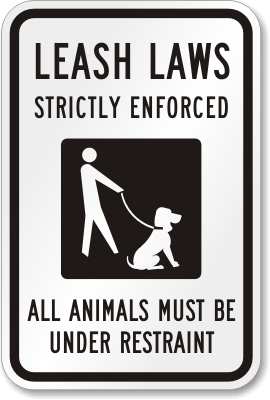
Q: One of the biggest challenges for DINOS families are loose dogs. In order to avoid them, many of us are intentionally only walking in areas that have leash laws, but they’re often ignore or are not enforced.  Is there anything we can do to increase their effectiveness in our communities?leash law sign


Heidi:
If you see someone disobeying the leash laws, you need to work with your local animal control officers to report the issue.  If we don’t report, animal control won’t know about the issue and can’t take action!


Q: Many of us are calling to make reports, but we’re essentially being ignored or laughed off the phones by authorities who think leash laws are a waste of their time! Any thoughts on how we can effectively advocate for the enforcement of existing leash laws?

Heidi: If police or Animal Control Officers don’t want to enforce the leash laws, I would report it up the chain.  But who actually oversees ACOs varies from jurisdiction to jurisdiction, so you have to do some research to make sure you’ve found the right source.  For instance, in Virginia, some ACO departments are supervised by the local police or deputy office, but others are supervised by the entity (often a nonprofit) that runs the local pound/shelter. You can also talk to the attorneys charged with prosecuting ACO cases — sometimes that will be the local prosecutors, and sometimes the local city or county attorneys.   Ultimately, you can work your way up to the county or city board.

In any event, try to make the ACOs’ job as easy as possible, by taking photos or video, gathering as much identifying information about the dog and person, keeping accurate records of when and where you see the dog off leash, and call the ACOs as soon as possible — while the dog is still off leash if at all possible.

If your jurisdiction does not have leash laws, alert your local legislators and educate them about the need for leash laws.

Note: you can find state dog leash laws here.


Q: Here are two generic scenarios that many of us have encountered. Any thoughts?

A dog on leash is approached by a loose dog and bites the loose dog. Who is legally responsible? And can a dog be declared dangerous when it was being properly managed by its owner at the time of the incident?

Heidi: If there is an applicable leash law, it is likely the owner of the loose dog would be liable.  Even with jurisdictions that have dangerous dog laws, typically protection is a defense, and animal control officers will likely consider that the loose dog approached and may not charge the leashed dog with dangerous dog proceedings if it attacked in that circumstance — especially if there is a leash law in that jurisdiction.


A person (with or without a dog) approaches a leashed dog. They are told to “stop!” and warned to stay back. If the other person ignores the warning and continues to approach, who is legally responsible if the leashed dog bites?

Heidi: It depends on the jurisdiction.  There are some jurisdictions with “strict liability” statutes — although many of those jurisdictions typically have defenses that may be applicable.  Also, the owner may be able assert other common law defenses such as “assumption of the risk” and contributory or comparative negligence.


Q: Let’s end on a happy note! Can you tell us about your dog, since she’s a DINOS too? What are some ways you set her up for success and advocate for her when you’re out in public?

Heidi: Sophie is a beautiful Shepherd mix who is very environmentally sensitive and can be reactive to dogs and people.  I initially used a Gentle Leader with her, but I didn’t do enough to desensitize her to it and she hated wearing it.  The last thing I wanted was to have her be uncomfortable and associate that with being out and about and seeing dogs and strangers.  So I now use a Freedom harness, which has a clip on the back and front, and I use two leashes — one clipped to the back of the harness, and one double clipped to the front and to her Martingale collar.  She also wears a red bandanna.

I always take lots of high value treats with me any time I take Sophie anywhere, and I have done a lot of behavior modification exercises with her over the years.  I make sure to keep plenty of distance between me and other dogs.  I also make sure that I can see what is up ahead and that I turn corners ahead of her — otherwise, she is always on the lookout and could encounter something before I have a chance to see what is going on.  I don’t hesitate to let people know that she needs space, but I always stay calm and polite.


Thank you for taking the time to answer our questions Heidi! 

You can score more insights from Heidi on Facebook and her blog.

Disclaimer: This blog is for educational purposes only and intended to provide general information, not to provide legal advice. This blog should not be used as a substitute for competent legal advice from a licensed professional attorney in your state.

Maine: Take a Stand Against Discrimination and Support L.D. 1192

I live in Maine and right now we have the chance to put an end to insurance discrimination based on a dog’s breed or breed mix. Will you help?

I’m asking all of my Maine dog-loving friends to take a moment to reach out and voice your support for this bill. If you own a pit bull, Doberman, German Shepherd, Rottie, Mastiff, Great Dane, Chow, Akita, or any other dog that’s been denied coverage, now’s your chance to stand up for the fair treatment of your dogs.

If you do not own a dog that’s been targeted, I hope that you will stand up for our families. We’re your friends and neighbors and we’re being unfairly discriminated against. Stand up for the dogs that are in our shelter system simply because their families couldn’t find an insurance company that would treat them fairly. There are so many dogs in our shelters that are safe, loved family dogs, but are homeless because families are forced to surrender them due to housing discrimination (largely due to insurance discrimination). Stand up for every dog that has been unfairly discriminated against because of the way they look, NOT based on their actual behavior or the behavior of their owners.

I’ve written about insurance discrimination before. It’s a serious issue for many responsible, dog-owning families.

Maine has the opportunity to become on the most fair, progressive states in the country when it comes to animals – help us get there!

Please support L.D. 1192- An Act Prohibiting Property Insurance Discrimination Based on Breed of Dog 
http://www.mainelegislature.org/legis/bills/bills_126th/billtexts/HP083601.asp

This bill prohibits the refusal to issue or the cancellation or nonrenewal of a property insurance policy or an increase in the premium for the policy solely on the basis of a policyholder’s ownership of a certain breed of dog. The restrictions do not apply if a dog has been designated as a dangerous dog in accordance with state law.

Please support this bill by attending the public hearing on Thursday, April 25, 2013 1:00 PM, Cross Building, Room 220 

If you cannot attend – please submit written testimony to the committee members:
http://www.maine.gov/legis/house/jt_com/ifs.htm

Mailing Address: Committee on Insurance and Financial Services
c/o Legislative Information
100 State House Station
Augusta, ME 04333

Here’s what I wrote to each committee member (copy it, if you’d like!):

Dear ____

I’m writing to ask that you support L.D. 1192 in order to prevent insurance companies from discriminating against dog owners. Insurance discrimination creates undue hardship on responsible dog owners, such as myself, and on our animal shelter system which must bear the burden of caring for dogs that are safe, loved, and wanted by their families, but cannot remain in their homes due to discriminatory insurance practices.

Research proves that dog behavior cannot accurately be predicted based on breed alone. The American Veterinary Medical Association (AVMA) exhaustive review of dog bite studies conducted in North America and elsewhere has concluded that separate regulation of “pit bull” dogs [or other breeds labeled “dangerous”] is not a basis for dog bite prevention. “Serious bites occur due to a range of factors,” conclude these authors.

Source: http://www.animalfarmfoundation.org/files/Community_approach_to_dog_bite_prevention.pdf

Please tell insurance companies that making sweeping restrictions and cancellations based only on a dog’s breed – rather than assessing an individual dog’s risk factor – is not a welcome business practice in the great state of Maine. Every dog must be evaluated for coverage based on their individual behavior and their owner’s behavior.

Please pass LD 1192 and support the fair treatment of all Maine families.

Thank you for your time,

_____

Here are the email addresses:
rodwhittemore@gmail.com,
dick@dickwoodbury.com,
RepSharon.Treat@legislature.maine.gov,
henry.beck@gmail.com,
RepTerry.Morrison@legislature.maine.gov,
RepJanice.Cooper@legislature.maine.gov,
RepJane.Pringle@legislature.maine.gov,
RepJoyce.Fitzpatrick@legislature.maine.gov,
RepMichael.McClellan@legislature.maine.gov,
RepRay.Wallace@legislature.maine.gov,
RepPeter.Doak@legislature.maine.gov,
RepPaulette.Beaudoin@legislature.maine.gov,
molly.gallant@legislature.maine.gov


Boogie and I thank you for standing up for us and families like ours!

boogie

Have You Hugged a Shelter Worker Today?

Note: I’ve totally lost control of my to-do list and haven’t been able to carve out some time for writing new stuff, so I thought I’d share an older piece I wrote a few years ago for StubbyDog (originally published Oct. 2011). Be back soon!

They stand at the doorway each morning and take a deep breath. The dogs, recognizing that they’re no longer alone, have erupted in a cacophony of demands for food, bathroom breaks, attention. Overwhelmed by the noise, hearts pounding, trying to pick a direction to go in first, they say, “I’m coming just as fast as I can everybody. I love you all this morning.” And then they start running.

They weave through the chaos: an injured dog, a hysterical family of a missing pet, an animal control officer with a van full of strays, new volunteers who need training, a call to an adopter that didn’t show to pick up their new dog, a victim of cruelty in desperate need of medical care.

There are more dogs than there are kennels.

photo by Melissa Lipani

There are adopters to meet with, kennel cough to be treated, biographies to write, veterinarians and trainers to consult with, surgeries to find funding for, rescue groups to reach out to, documentation of cruelty cases to fill out, baths to be given – hard, painful choices to be made.

The daily work continues: Kennels must be scrubbed, food delivered, medications carefully administered, evaluations to be completed, kennel charts filled out, yards to be cleaned.

There are 24 hours in a day and 100+ hours of work to be done.

They feel tiny in the presence of this mountain of work and the countless souls they’ve been trusted to care for. How fast can they work, for how long, and will it make a difference?

But just when they feel like they’re slipping under water, it happens: one great day.

A long-term resident finally gets adopted, a local business stops by with a donation of a new washing machine, the dogs they feared wouldn’t make it find foster homes, a child’s birthday party brings toys and treats, an adopter calls to tell you how happy they are with their new dog, a volunteer brings coffee and hugs.

They are flying on the wings of this good day, fueled by the hope that there will be more just like it. Powered into another work week, trusting that, if they keep their heads up and their feet moving forward, it will get better.

They are a vital part of our community. The safety net for our pets. The beating heart deep in our collective hope for a better world for our animals.

They are the magicians, the master jugglers, the contortionists, working endlessly to pull one more miracle out of their bag of tricks. One more life saved by their weary hands. They are the underpaid, overworked operators working the lines until there is a happy ending.

They are doing the work most of us could never bring ourselves to do, yet we depend on them to care for the animals in our communities. We demand more from them and they show up for the challenge. They are willing to take the heartbreak, the lost lives, the failures, the sadness and exhaustion. Because they know the dogs can’t make it without them.

They are our determined hands, our compassionate hearts, and they need our support.

They are shelter workers and they’re everyday heroes.


2013 note:  I think volunteers and foster families are the bomb too and wrote tributes to them back in 2011. You can find them here and here

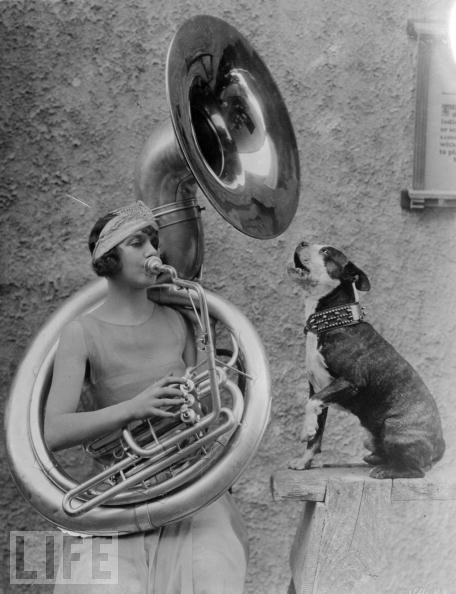
Playing Tuba with My Dog and Other Stuff I Keep Meaning To Do

Hi! It’s been kind of quiet over here the past few weeks, huh?

I want to write, but I’ve been busy doing cool stuff: going to Austin, Texas and not so cool stuff: hanging out in airports for two days because a freak winter storm cancelled my connecting flight home and gross stuff: getting a cold.

I hate having my hermit-esque routine turned upside down, so it took me a while to get my act together. I’m back.


And now, here’s what I keep meaning to write about, in no particular order:


Fences: wood ones, metal ones, redundant ones, invisible ones, and ones with gates that fly open unexpectedly.

Leash Laws: enforcement, funding, and why there’s always a cop outside my house (hint: it has nothing to do with dogs).

Dog Nails: how much I hate to cut them, heaven-sent painkillers, and the trouble with posting photos of your dogs on the interwebz

Good Adoptions: stuff I learned from Birdie the Dog. About her adoption. Not about her new hobby: finding dead baby birds.

Relaxation Protocol: am I the only one that actually enjoys doing this? Judging by other blogs: yes, I am.


Plus much, much more!

I want to hang out with these two.

Also, I want to hang out with these two.


Now all I need to get this done is an extra day in my week and a butler to deal with the self-generating hair balls that take over my house every 36 hours. And one million dollars (just in case the Universe is taking requests today).

Stay tuned. I’m on this!


Our Love Smells Like A Hot Tuna Melt

This past weekend we celebrated Birdie Day at our house. Five years ago we brought Birdie home to live with us (her full adoption story is coming…stay tuned!) and she’s been making our home a much funnier place ever since. Mostly because she farts really loud while watching us eat dinner. It never fails to make us laugh. We are a simple people.

Birdie is the world’s easiest dog to live with and has been since the day she arrived. Because she lived the first six years (that’s right YEARS) of her life at a shelter, Birdie gets to do whatever she wants. That’s the deal. If she had any issues, we’d certainly work with her on them, but she doesn’t, so we don’t. Birdie is polite, sweet, likes naps, and doesn’t poop in the house. My dream dog.

And now she’s 11 years old. So what do you give a silver fox(y) lady like Birdie on her 5th Gotcha Day and approximately 11th Bird-day?

Hot Tuna.

Thanks to our friend Teri who runs Canine Kinship here in Portland Maine, we happened to have the world’s stinkiest dog treat recipe on hand. It took just minutes to whip up these uber-smelly tuna treats.

Here are the deets:

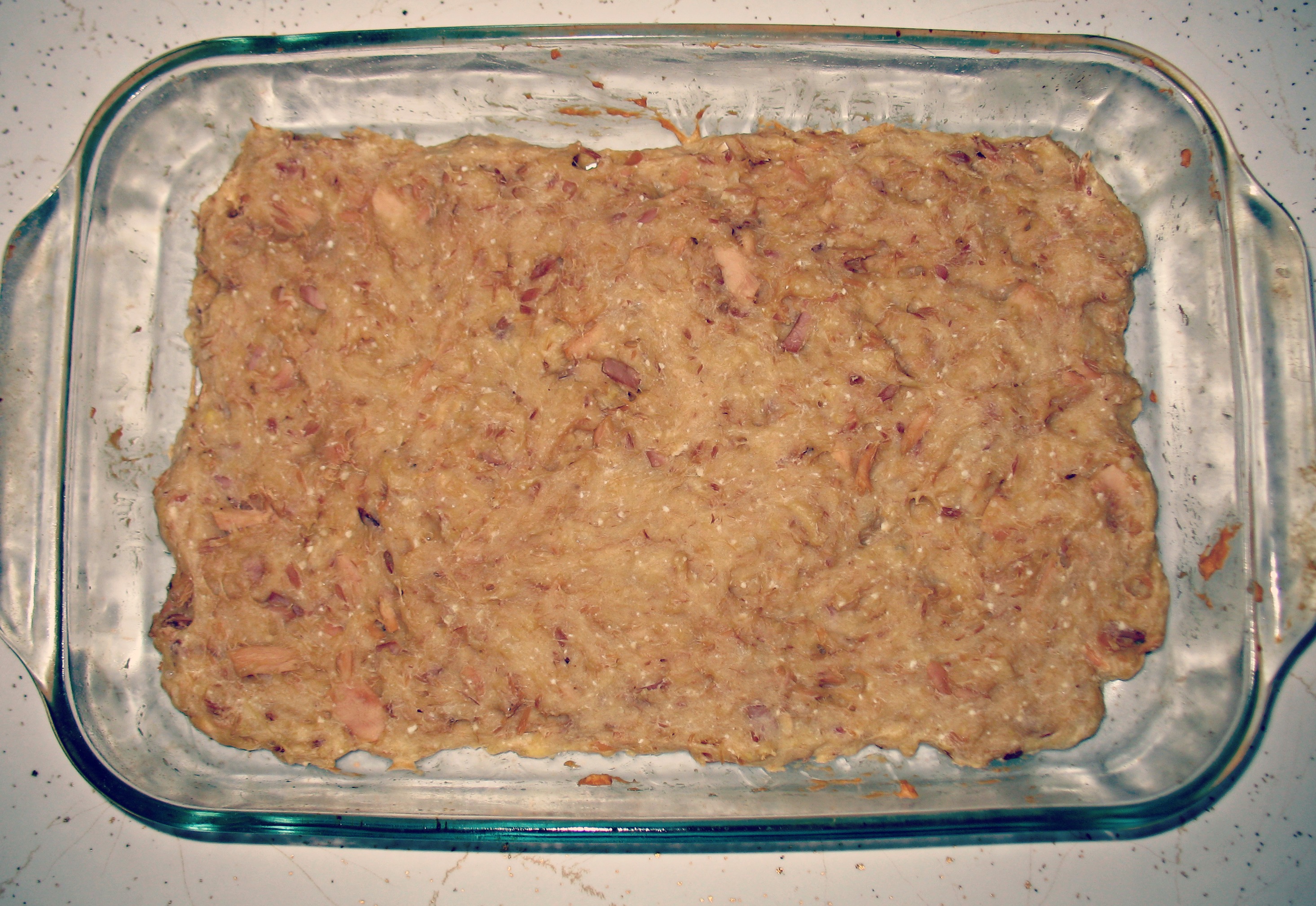
Tuna Fudge

(2) 6 oz cans undrained tuna (or salmon or mackerel)

(2) eggs

1 and1/2 cups of flour

1/4 cup Parmesan cheese

Tuna Treats

Mix all that greatness together, then press it into a greased 9×13″ pan. Bake at 350 degrees for 20 minutes.

tuna fudge

Let cool. Cut into strips, then dice. Makes approximately one ton of treats.  Give or take. Refrigerate or freeze treats.

tuna treats

Super easy, super cheap, super stinky. Birdie thought it was an excellent Birdie Day gift.

Especially because I let her lick the bowl.

birdie licks the bowl

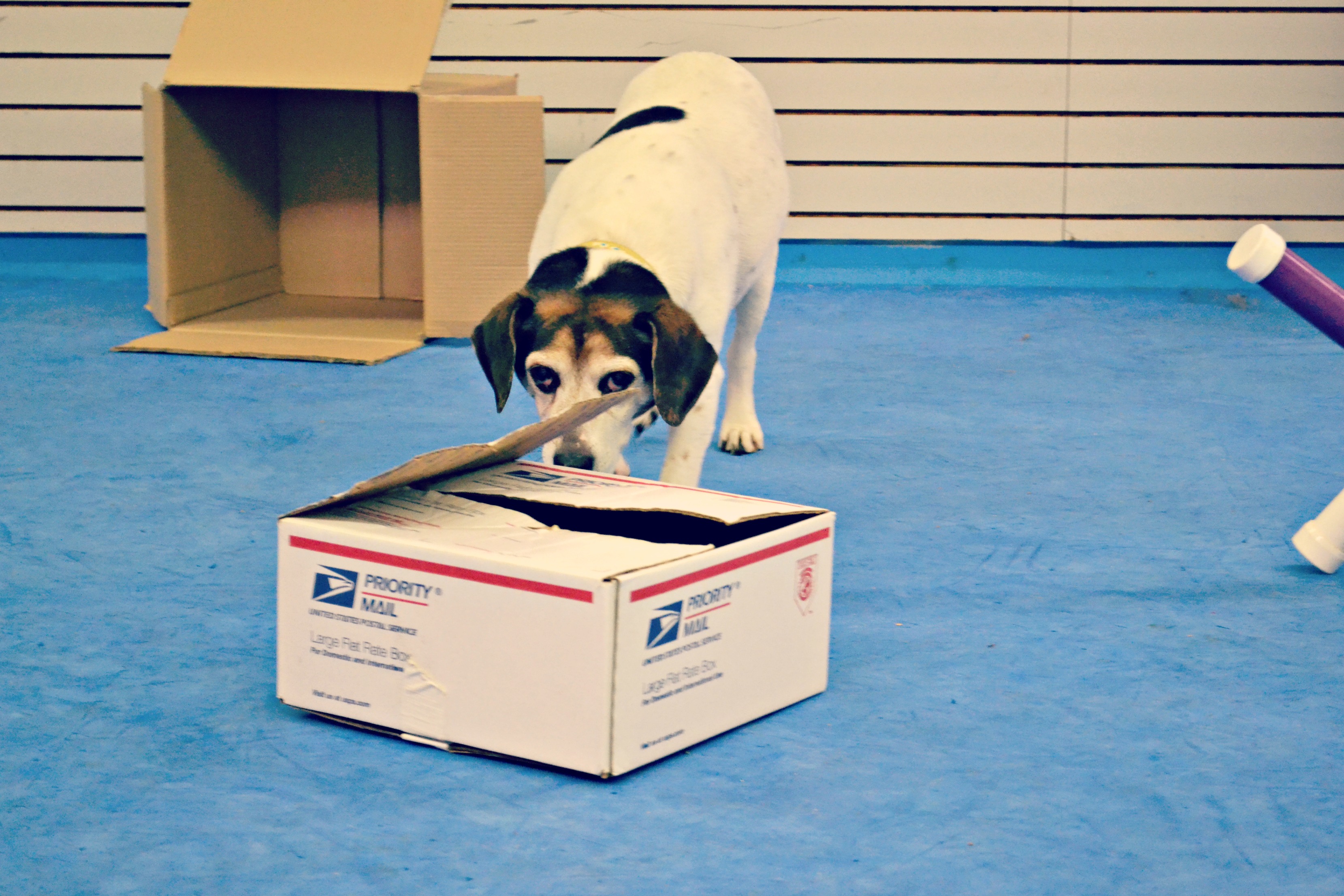
These treats came in handy for the Nose Works class Birdie and I have been taking recently at Canine Kinship. It’s our Girl’s Night Out and Birdie thinks it’s thebestthingever since all she has to do is wander around smelling stuff and eating treats. Stinky treats like Tuna Fudge. What more could a Birdie Dog want?

birdie finds the treat tube

Our pal Nola is also in the class (read her blog here) and was gracious enough to sample our treats this week. Nola gave them a snarf of appreciation.

So there you go: two out two dogs in our class give these treats their drool of approval.

p.s. more on how awesome Nose Works is later. If you’re not doing it with your dogs yet – sign up. It’s a hoot.

Birdie w/the treats in Box

Well, that’s all for now kids. It’s just this one thing: I love this dog.

And our love smells like a hot tuna melt.

Thanks to Teri for the treat idea and to Nola’s mom Danielle for snapping some photos of Birdie working hard in class!